
La Ceiba is the capital of the department of Atlántida, on the north coast of Honduras, and the fourth most populous city in the country. It is named after a large ceiba (kapok) tree that grew near the beach, where its first settlers built their homes. Today it is known as the ecotourism capital of Honduras and as “la novia de Honduras” (the bride of Honduras).
History of La Ceiba
Before the city
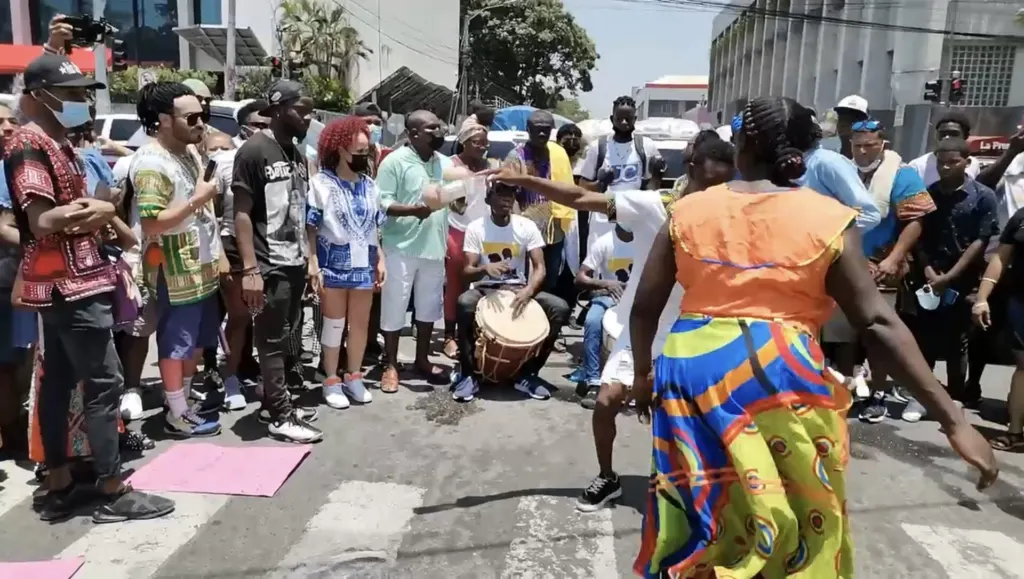
Before the Spanish arrived, the region was home mainly to Tolupan people organized in tribes.[1] On April 12, 1797, after being deported by the British from the island of Saint Vincent, the Garifuna landed on Roatán; from there they spread along the Caribbean coast of Central America.[8] Nearby Garifuna villages such as Corozal and Sambo Creek are still part of La Ceiba’s identity, and in the Garifuna language the city is called “Gumaga.”[1] In 2001 UNESCO proclaimed the Garifuna language, dance and music a Masterpiece of the Oral and Intangible Heritage of Humanity.[8]

The tree that named the city (1872–1877)
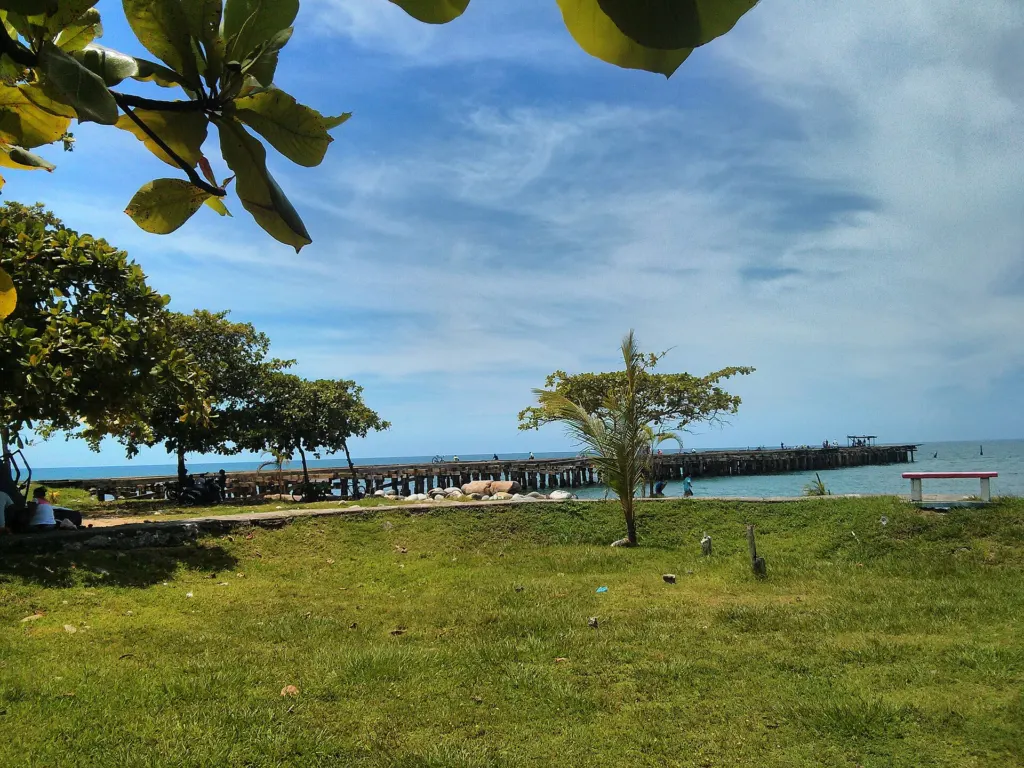
Around 1872, Manuel Hernández built a hut under a large ceiba tree near the beach, close to where the old pier would later stand. Other settlers gathered around it, drawn by banana farming, and the place took the tree’s name.[1][2] On August 23, 1877, under President Marco Aurelio Soto, La Ceiba was declared a municipality; its first mayor was Mariano Guiraud, of French origin.[1][3] At the time it belonged to the department of Yoro.[3]
Capital of Atlántida (1902)
On February 24, 1902, the department of Atlántida was created from parts of Colón, Cortés and Yoro, with La Ceiba as its capital.[4] That same year it was already described as the main port of Honduras.[1]
The banana era
In 1899 the Vaccaro brothers, Italian merchants based in New Orleans, partnered with Vicente D’Antoni and bought beachfront land in La Ceiba to build a harbor. That winter a freeze destroyed many orange groves in the United States, so the company turned to bananas; in 1900 it bought its first two ships.[5] In 1906 the business was incorporated as Vaccaro Bros. and Co., and from 1907 it built roads, railways and wharves in exchange for government land grants.[5]


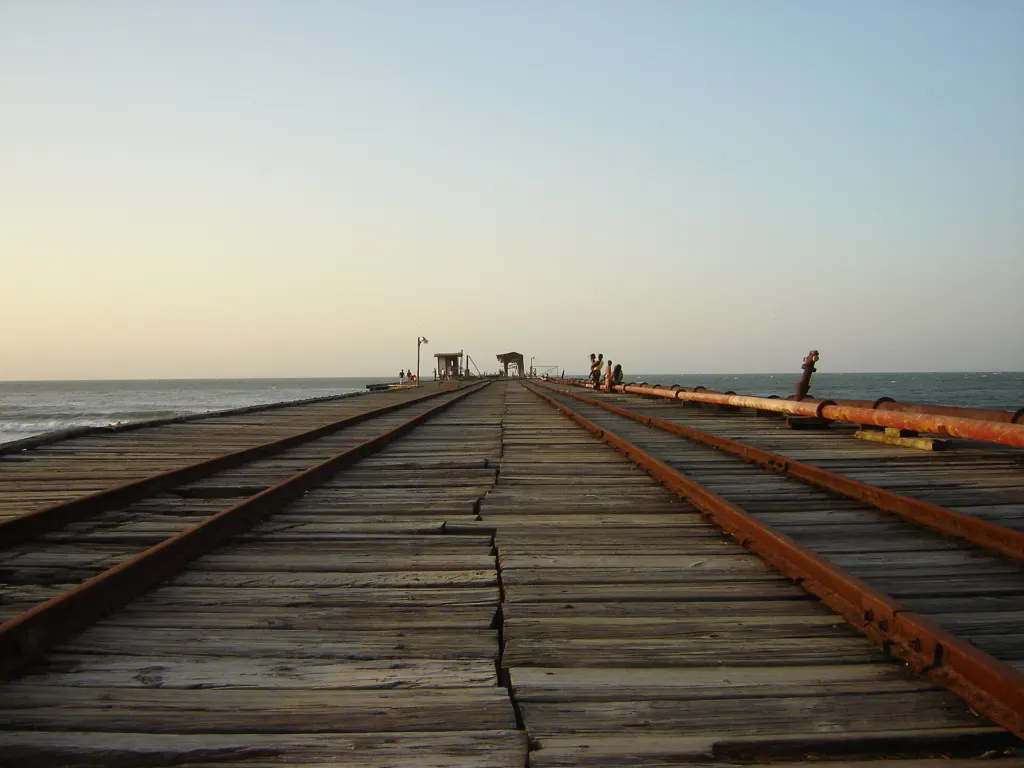
The railroad was the city’s backbone. Standard Fruit’s network grew to almost 600 kilometers of track, with one line west to Tela and another heading east.[6] The rails ran down the main street of the day, today’s Avenida La República, carrying bananas from the plantations to ships at the pier. The trains no longer run, but traces of the tracks remain.[2]



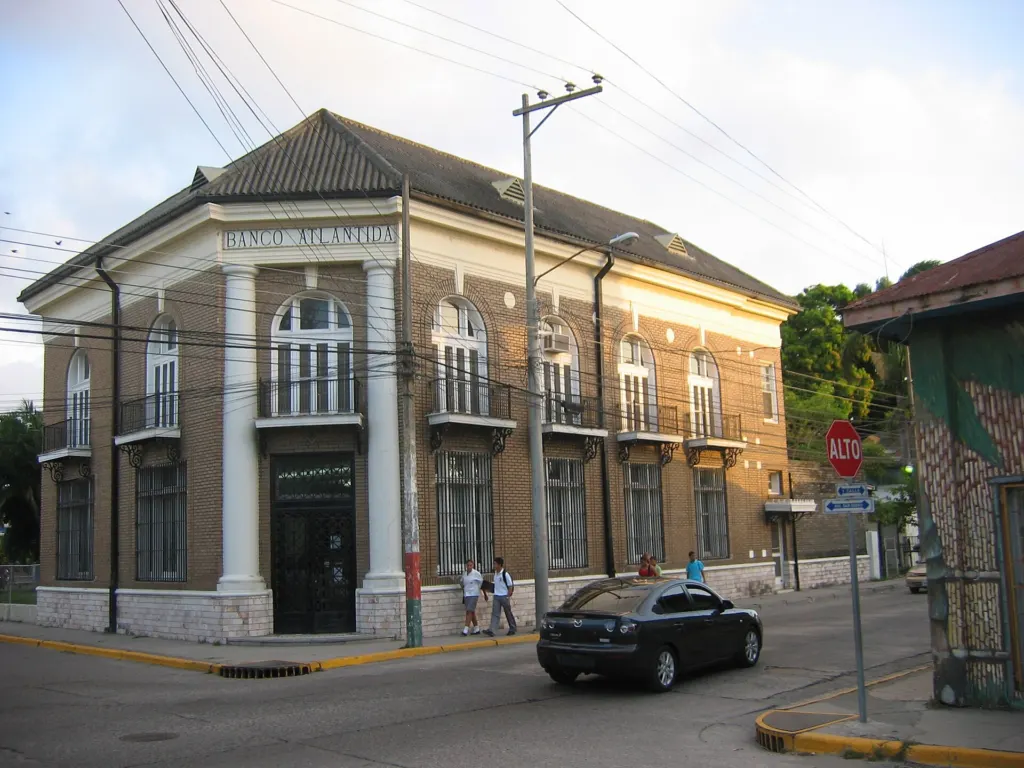
The boom brought banks, industry and workers from across Honduras and abroad. In 1913 Banco Atlántida was founded in La Ceiba with Vaccaro backing; it is considered the country’s first bank.[5][2] In 1918 the historian Dana Munro wrote that La Ceiba was the second most important city in Honduras after Tegucigalpa, with more foreign trade than all other districts combined.[1]

In 1924 the company was renamed Standard Fruit Company, and that year it opened the Vicente D’Antoni Hospital in La Ceiba; in 1926 it became the Standard Fruit & Steamship Company. It was later acquired by Castle & Cooke, which became Dole Food Company in 1991.[5] The era had hard moments too: the municipal building was set on fire in 1903, on March 7, 1914, and again in 1924 during social unrest.[1][2]
The Feria Isidra and Carnival
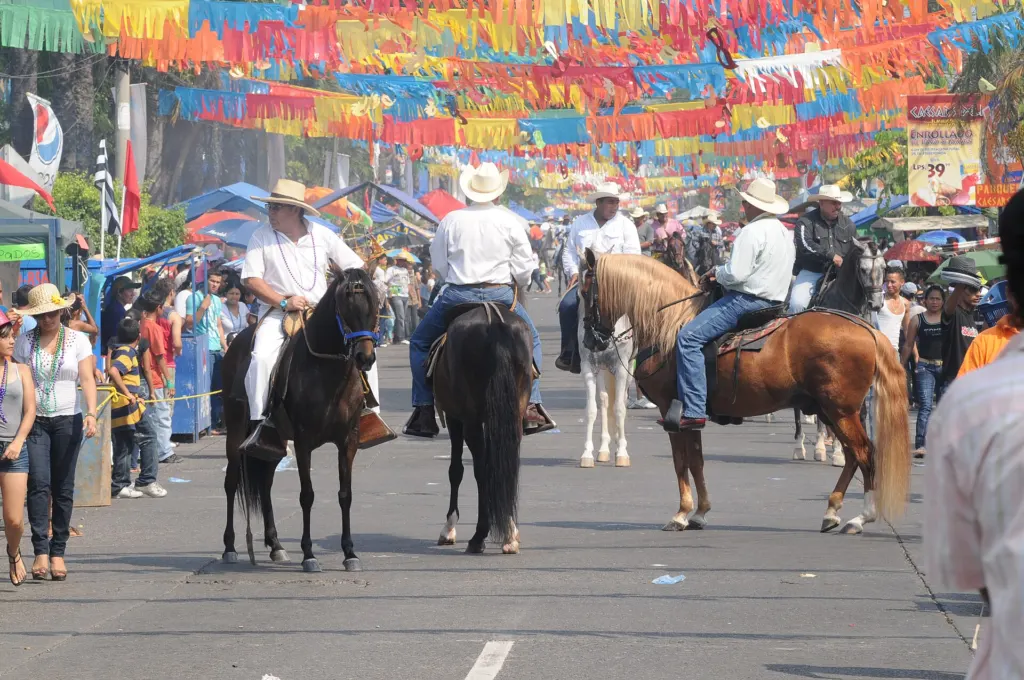
In 1917 La Ceiba held its first “Feria la Isidra” in honor of its patron saint, San Isidro Labrador, whose feast day is May 15. In 1968 a parade for the fair queen was held on May 25 with only five floats, and in 1976 the first “carnavalito” took place in Barrio Mejía.[7] Today the Gran Carnaval is held on the third or fourth Saturday of May; according to the Municipal Tourism Unit it drew more than 500,000 visitors in 2008.[7]

La Ceiba today
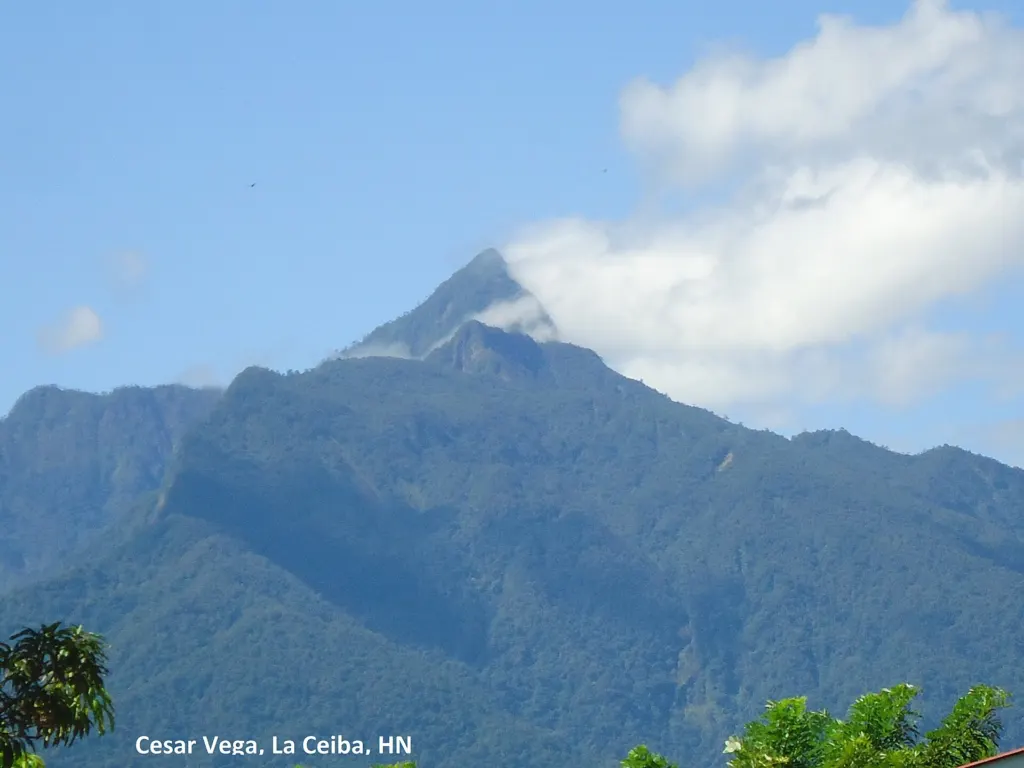
Over time the city added nature tourism to its port and trade. Pico Bonito National Park, established on January 1, 1987, protects 564 km² of jungle and mountains right behind the city.[9] Ferries to Roatán and Utila leave from the pier east of the city, and Golosón International Airport to the west serves domestic and regional flights.[2] According to the National Statistics Institute, the municipality had 232,696 residents in 2023, making it the fourth most populous city in Honduras.[1][2] La Ceiba is affectionately known as “la novia de Honduras” (the bride of Honduras).[3]


Getting here
- By air: Golosón International Airport (LCE) has domestic and some international flights.
- By road: about 3 hours by bus or car from San Pedro Sula; 6 to 7 hours from Tegucigalpa.
- By sea: ferries connect La Ceiba with Roatán and Utila every day.
- Transfers: Shuttle Guacamayos runs transfers from San Pedro Sula and Palmerola airports.
Weather
It is hot and humid all year, usually between 25 and 32 °C (77–90 °F). The rainiest months are roughly October to January; from March to June there is less rain and the sea is usually calmer for island trips.
La Ceiba Carnival
Every May the city celebrates the Gran Carnaval Internacional de la Amistad in honor of San Isidro. For weeks there are street parties in the neighborhoods, and on the big day the city fills with floats, dance troupes and live music. If you travel then, book your hotel early.
Practical tips
- The currency is the lempira. Carry cash for taxis, markets and small towns.
- Taxis have no meters: agree on the fare before you get in.
- As in any city, keep valuables out of sight and take a taxi at night.
- Find hotels, restaurants and services in our business directory.
Photo: Denis Fournier, CC BY 2.0, via Wikimedia Commons.
.jpg)
Sources
- Wikipedia (Spanish), “La Ceiba”. es.wikipedia.org/wiki/La_Ceiba
- Wikipedia (English), “La Ceiba”. en.wikipedia.org/wiki/La_Ceiba
- Luis Lemus, “La Ceiba cumple hoy 142 años entre recuerdos y esperanzas”, La Prensa, August 22, 2019. www.laprensa.hn/honduras/la-ceiba-cumple-142-anos-entre-recuerdos-esperanzas-honduras-BYLP1312452
- Wikipedia (English), “Atlántida Department”. en.wikipedia.org/wiki/Atlántida_Department
- Wikipedia (English), “Vaccaro brothers”. en.wikipedia.org/wiki/Vaccaro_brothers
- Wikipedia (English), “Rail transport in Honduras”. en.wikipedia.org/wiki/Rail_transport_in_Honduras
- Wikipedia (English), “La Ceiba Carnival”. en.wikipedia.org/wiki/La_Ceiba_Carnival
- Wikipedia (English), “Garifuna”. en.wikipedia.org/wiki/Garifuna
- Wikipedia (English), “Pico Bonito National Park”. en.wikipedia.org/wiki/Pico_Bonito_National_Park
Dates and figures come from the sources above. If you have historical documents or photos of La Ceiba, contact us and we will add them with credit.